
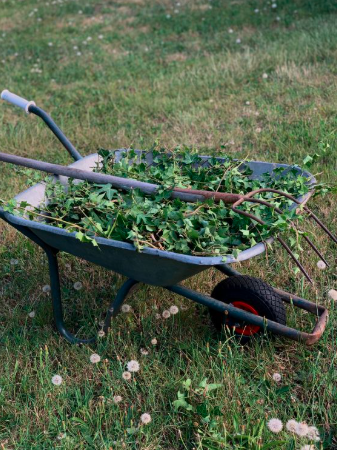
How to Make a Simple Homemade Weed Killer: Easy, Budget-Friendly Solutions for Your Garden
Weeds are one of the biggest challenges for gardeners and homeowners. They compete with flowers, vegetables, and grass for sunlight, water, and nutrients, making it harder for your desired plants to thrive. While many commercial weed killers are available, some people prefer homemade alternatives made from common household ingredients.
A simple homemade weed killer can be an affordable option for treating weeds in driveways, sidewalks, gravel paths, and other non-garden areas. However, it’s important to understand that homemade solutions are non-selective, meaning they can damage or kill any plant they touch. They should always be used carefully and responsibly.
This guide explains how to make a simple homemade weed killer, when to use it, how it works, and the best practices for keeping your garden healthy while minimizing unwanted weeds.
Why Consider a Homemade Weed Killer?
Many gardeners enjoy making DIY weed-control solutions because they are:
- Easy to prepare
- Made from common household ingredients
- Budget-friendly
- Convenient for small weed problems
- Useful for treating cracks in sidewalks and driveways
While homemade weed killers are not always as powerful or long-lasting as commercial herbicides, they can help manage certain types of weeds when used correctly.
Understanding How Homemade Weed Killers Work
Most homemade weed killers work by damaging the leaves or drying out the plant rather than killing the root system.
Because of this:
- Young weeds are usually easier to eliminate.
- Deep-rooted perennial weeds may grow back.
- Multiple applications are often necessary.
For long-term weed control, combining homemade treatments with manual removal usually provides the best results.
Simple Homemade Weed Killer Recipe
One of the most commonly used homemade weed killer recipes uses just a few ingredients.
Ingredients
- 1 gallon white vinegar (5% acidity)
- 1 cup table salt
- 1 tablespoon liquid dish soap
Instructions
Step 1: Add the Vinegar
Pour one gallon of white vinegar into a large bucket or container.
Step 2: Dissolve the Salt
Slowly stir in one cup of table salt until it dissolves completely.
Step 3: Add Dish Soap
Mix in one tablespoon of liquid dish soap.
The dish soap helps the mixture stick to weed leaves instead of immediately running off.
Step 4: Transfer to a Spray Bottle
Pour the solution into a clean garden sprayer or spray bottle for easy application.
How to Apply Homemade Weed Killer
Proper application is important for the best results.
Choose a Sunny Day
Warm, dry weather helps the vinegar dry on the leaves, increasing its effectiveness.
Spray the Leaves
Completely coat the weed leaves without soaking nearby plants.
Avoid Windy Conditions
Wind can carry the spray onto flowers, vegetables, shrubs, or grass.
Allow Time
Leave the solution on the weeds for several hours without watering.
Many weeds begin showing damage within one to two days.
Where Homemade Weed Killer Works Best
Homemade weed killers are generally most effective in areas such as:
- Driveways
- Sidewalk cracks
- Gravel pathways
- Brick patios
- Fence lines
- Between paving stones
These are places where surrounding plants are minimal, reducing the risk of accidental damage.
Where You Should Avoid Using It
Because vinegar and salt are non-selective, avoid spraying near:
- Vegetable gardens
- Flower beds
- Fruit trees
- Shrubs
- Newly planted lawns
- Garden borders with desirable plants
Salt can also remain in the soil and may make it difficult for other plants to grow in the treated area.
How Each Ingredient Works
White Vinegar
White vinegar contains acetic acid, which damages weed leaves by removing moisture from plant tissues.
Young weeds often respond better than mature plants.
Salt
Salt draws water out of plant cells, helping dry out weeds.
However, excessive salt can remain in soil for long periods, making future planting difficult.
Because of this, salt should be used sparingly and mainly in areas where plant growth is not desired.
Dish Soap
Dish soap acts as a surfactant.
Instead of beading up on leaves, the solution spreads more evenly, improving contact with the plant surface.
Tips for Better Results
For improved weed control, consider these simple tips:
- Spray weeds while they are young.
- Treat weeds during warm, sunny weather.
- Reapply if rain occurs shortly after spraying.
- Remove dead weeds after they dry.
- Repeat treatments if weeds begin growing again.
Patience is important, especially with larger or well-established weeds.
Homemade Weed Killer Without Salt
Some gardeners prefer avoiding salt because of its long-lasting effects on soil.
A simpler recipe includes:
Ingredients
- White vinegar
- A few drops of liquid dish soap
This mixture may be less damaging to soil while still helping control small annual weeds on hard surfaces.
Can Boiling Water Kill Weeds?
Yes.
Boiling water is another popular chemical-free weed control method.
Simply pour freshly boiled water directly onto unwanted weeds.
This method works particularly well for:
- Sidewalk cracks
- Gravel paths
- Patio weeds
However, boiling water can also damage nearby desirable plants, so careful application is essential.
Hand Pulling Still Has Benefits
Although homemade weed killers can be useful, manual removal remains one of the most effective methods.
Pulling weeds:
- Removes more of the root system
- Prevents seed production
- Requires no chemicals
- Helps reduce repeat growth
Removing weeds after rainfall often makes the job easier because the soil is softer.
Preventing Future Weed Growth
The best weed control strategy focuses on prevention.
Apply Mulch
Mulch blocks sunlight, making it harder for weed seeds to germinate.
Organic mulch options include:
- Wood chips
- Straw
- Pine bark
- Shredded leaves
Keep Lawns Healthy
A thick, healthy lawn naturally crowds out many weeds.
Maintain your lawn by:
- Mowing at the proper height
- Watering deeply but less frequently
- Fertilizing as needed
- Overseeding thin areas
Seal Cracks
Many weeds grow in driveway and sidewalk cracks.
Repairing cracks helps reduce new weed growth.
Remove Weeds Early
Small weeds are much easier to control than mature plants.
Checking your yard every week during the growing season can prevent larger infestations.
Common Mistakes to Avoid
Spraying Before Rain
Rain can wash away the solution before it has time to work.
Using Too Much Salt
Excess salt can harm soil for months or even years.
Reserve salt-based treatments for areas where future plant growth is not wanted.
Spraying on Windy Days
Even a light breeze can carry droplets onto healthy plants.
Expecting Permanent Results
Many homemade weed killers damage the visible plant but may not destroy deep roots.
Repeat applications or manual removal may still be necessary.
Frequently Asked Questions
Does homemade weed killer work on all weeds?
It works best on small, young annual weeds. Larger perennial weeds with extensive root systems may require repeated treatments or physical removal.
How long does it take to work?
Many weeds begin wilting within 24 to 48 hours, especially during hot, sunny weather.
Is vinegar safe for garden plants?
No. Vinegar can damage or kill many desirable plants if it contacts their leaves.
Always spray carefully.
Can I use apple cider vinegar?
White vinegar is generally preferred because it is inexpensive and widely available. Apple cider vinegar may also affect weeds, but it is usually more costly and offers little added benefit for this purpose.
How often should I reapply?
If weeds survive or regrow, you may need to repeat the application after several days, depending on weather conditions and the type of weed.
Safety Tips
Even homemade weed killers should be handled responsibly.
Follow these precautions:
- Wear gloves while mixing and spraying.
- Avoid getting the solution in your eyes or on your skin.
- Keep children and pets away until sprayed areas are dry.
- Store leftover solution in a clearly labeled container.
- Never mix household cleaning products with other chemicals unless the manufacturer specifically states it is safe.
Final Thoughts
A simple homemade weed killer can be a practical and economical option for managing weeds in areas such as driveways, sidewalks, patios, and gravel paths. Recipes made with white vinegar, dish soap, and, when appropriate, salt may help control small weeds by damaging their leaves and drying them out.
For the best long-term results, combine homemade treatments with preventive gardening practices such as mulching, regular hand weeding, and maintaining healthy lawns and planting beds. By using these methods thoughtfully and carefully, you can reduce unwanted weeds while helping protect the plants you want to grow.
