
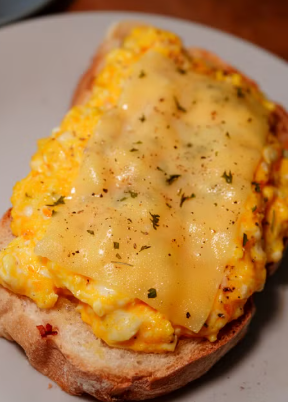
The Ultimate Guide to Making Perfect Scrambled Eggs Every Time
Scrambled eggs are one of the simplest and most beloved breakfast dishes, yet making them perfectly can require a little technique. The difference between ordinary scrambled eggs and restaurant-quality scrambled eggs often comes down to small details: the heat level, cooking time, stirring method, and ingredient choices.
Perfect scrambled eggs should be soft, creamy, flavorful, and cooked just enough to hold their shape without becoming dry or rubbery. Whether you prefer fluffy eggs, creamy French-style curds, or a classic diner version, learning the right method can transform this everyday dish.
This ultimate guide will teach you how to make delicious scrambled eggs every time, along with helpful tips, common mistakes to avoid, and creative ways to customize your breakfast.
Why Scrambled Eggs Can Be Tricky
Eggs may seem easy to cook, but they are delicate. They contain proteins that quickly change structure when exposed to heat.
Cooking eggs too quickly or at too high a temperature can cause:
- Dry texture
- Tough curds
- Watery separation
- Overcooking
The goal is to gently cook the eggs while keeping moisture and creating a smooth, tender texture.
Ingredients for Perfect Scrambled Eggs
A great scrambled egg recipe does not require many ingredients.
Basic Ingredients:
- 2–3 large eggs per person
- Salt
- Black pepper
- 1 tablespoon butter or cooking oil
Optional Ingredients:
- Milk
- Cream
- Cheese
- Fresh herbs
- Vegetables
- Cooked meats
The quality of your ingredients matters. Fresh eggs and good-quality butter can make a noticeable difference in flavor.
Should You Add Milk or Cream to Scrambled Eggs?
This is a common question among home cooks.
Adding dairy is optional.
Adding Milk
Milk can make eggs slightly lighter, but adding too much may dilute the flavor and create a watery texture.
Adding Cream
A small amount of cream can make eggs richer and more luxurious.
Skipping Dairy
Many chefs prefer making scrambled eggs with only eggs and butter because this allows the natural egg flavor to shine.
The best choice depends on your preferred texture and taste.
Step-by-Step Guide to Perfect Scrambled Eggs
Step 1: Crack and Whisk the Eggs
Crack eggs into a bowl rather than directly into the pan.
Whisk thoroughly until the yolks and whites are completely combined.
A good whisking process creates a consistent texture and helps incorporate air, which can make eggs lighter.
Add salt and pepper before cooking for even seasoning.
Step 2: Choose the Right Pan
A nonstick skillet is ideal because eggs can stick easily.
A smaller pan works well for a small number of eggs because it helps them cook evenly.
Avoid using very high heat, which can quickly dry out eggs.
Step 3: Cook Over Low to Medium Heat
Heat your pan gently and add butter.
Once the butter melts, pour in the eggs.
The key to creamy scrambled eggs is patience.
Cooking slowly allows the proteins to set gradually, creating soft curds.
Step 4: Stir Gently
Use a spatula to slowly push the eggs across the pan.
Avoid constantly stirring aggressively.
Instead:
- Let the eggs sit briefly
- Push cooked portions toward the center
- Allow uncooked egg to spread into the empty areas
This creates soft, fluffy curds.
Step 5: Remove Eggs Before They Look Fully Done
One of the biggest scrambled egg mistakes is overcooking.
Eggs continue cooking from leftover heat after being removed from the pan.
Take them off the heat when they still look slightly moist.
The final texture should be soft and creamy.
Different Styles of Scrambled Eggs
There is no single “correct” way to make scrambled eggs. Different techniques create different textures.
Soft and Creamy Scrambled Eggs
This style creates small, delicate curds with a smooth texture.
Tips:
- Use low heat
- Stir slowly
- Cook patiently
- Remove early
This method is popular in many restaurants.
Fluffy Diner-Style Scrambled Eggs
For larger, fluffier curds:
- Whisk eggs well
- Cook over medium heat
- Fold eggs gently
- Avoid breaking them too much
Adding a small amount of milk can also create a lighter texture.
French-Style Scrambled Eggs
French scrambled eggs are extremely soft and creamy.
The technique involves:
- Very low heat
- Constant gentle stirring
- Slow cooking
The result is almost custard-like and rich.
Common Mistakes When Making Scrambled Eggs
Using High Heat
High temperatures cook eggs too quickly and often result in dryness.
Low and steady heat produces better texture.
Overcooking the Eggs
Eggs should be removed from heat while they are still slightly soft.
Waiting until they look completely firm often means they will become dry.
Not Seasoning Properly
Eggs have a mild flavor, so seasoning matters.
Salt enhances the natural taste, while pepper adds a gentle spice.
Adding Too Many Ingredients Too Early
Vegetables and meats can release moisture, which may make eggs watery.
Cook additional ingredients separately when needed, then combine them near the end.
Using a Cold Pan
Starting with a properly heated pan helps the eggs cook evenly.
However, avoid overheating the pan before adding eggs.
How to Make Scrambled Eggs More Flavorful
Simple additions can turn basic eggs into a special meal.
Add Cheese
Popular options include:
- Cheddar
- Mozzarella
- Parmesan
- Feta
- Goat cheese
Add cheese near the end of cooking so it melts without affecting the texture.
Add Fresh Herbs
Herbs can brighten the flavor.
Try:
- Chives
- Parsley
- Basil
- Dill
- Cilantro
Add Vegetables
Good choices include:
- Spinach
- Mushrooms
- Bell peppers
- Tomatoes
- Onions
Cook vegetables first to remove excess moisture.
Add Protein
For a more filling breakfast, include:
- Bacon
- Ham
- Smoked salmon
- Sausage
- Beans
How to Make Healthier Scrambled Eggs
Scrambled eggs can easily fit into a balanced diet.
Healthier options include:
- Cooking with a small amount of olive oil
- Adding vegetables
- Pairing eggs with whole-grain toast
- Including fresh fruit
- Using moderate amounts of cheese and processed meats
Eggs provide important nutrients, including:
- Protein
- Vitamin B12
- Choline
- Selenium
The Best Tools for Scrambled Eggs
You do not need expensive equipment, but a few tools can help.
Nonstick Pan
Makes cooking and cleaning easier.
Silicone Spatula
A flexible spatula helps gently move eggs without scratching the pan.
Whisk or Fork
Useful for creating a smooth egg mixture.
Mixing Bowl
Allows proper seasoning and even mixing before cooking.
How to Store Leftover Scrambled Eggs
Scrambled eggs are best when freshly cooked, but leftovers can be stored.
Refrigerator
Place cooled eggs in an airtight container and refrigerate for up to 3 days.
Reheating
Warm gently in the microwave or on the stovetop.
Avoid overheating, as reheated eggs can become dry.
Frequently Asked Questions
Why are my scrambled eggs watery?
Watery eggs may result from overcooking, cooking at too high a temperature, or adding too much liquid.
Should I salt eggs before or after cooking?
Both methods work, but seasoning before cooking helps distribute flavor evenly.
How do restaurants make scrambled eggs so creamy?
Many restaurants use low heat, careful stirring, butter, and proper timing to create soft, creamy eggs.
Can I make scrambled eggs without butter?
Yes. You can use olive oil, cooking spray, or another preferred fat.
How do I make scrambled eggs fluffy?
Whisk eggs thoroughly, cook gently, and avoid pressing them down while cooking.
Final Thoughts
Perfect scrambled eggs come down to technique rather than complicated ingredients. By using gentle heat, proper seasoning, and careful timing, you can create eggs that are soft, flavorful, and satisfying every time.
Whether you enjoy classic fluffy eggs, creamy restaurant-style eggs, or a customized version with cheese and vegetables, mastering this simple recipe is a valuable kitchen skill.
A few small changes in the way you prepare scrambled eggs can turn an everyday breakfast into something truly delicious.
