
Hip Pain: Common Causes, Symptoms, and When to Seek Help
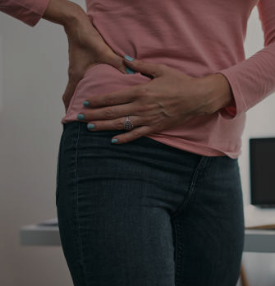
Hip pain is a common problem that can affect people of all ages. It may appear suddenly after an injury or develop gradually due to changes in the muscles, joints, or surrounding tissues. For some people, hip pain is mild and temporary, while for others it can interfere with walking, sleeping, exercise, and everyday activities.
The hip is one of the largest weight-bearing joints in the body. It helps support movement and stability during activities such as standing, walking, running, and climbing stairs. Because the hip area includes bones, muscles, tendons, ligaments, nerves, and soft tissues, pain can come from many different sources.
Understanding the possible causes, symptoms, and warning signs can help you decide when home care may be appropriate and when professional medical advice is needed.
Understanding the Hip Joint
The hip is a ball-and-socket joint where the top of the thigh bone (femur) fits into a rounded space in the pelvis.
The joint is supported by:
- Muscles that control movement
- Tendons that connect muscles to bones
- Ligaments that provide stability
- Cartilage that cushions the joint
- Fluid-filled sacs called bursae that reduce friction
Problems affecting any of these structures can lead to hip discomfort.
Common Causes of Hip Pain
1. Muscle Strains and Overuse
One of the most common causes of hip pain is overuse or strain of the muscles around the hip.
This may happen after:
- Increased exercise intensity
- Repetitive movements
- Sudden changes in activity
- Heavy lifting
- Sports activities
A strained muscle may cause soreness, stiffness, or pain that worsens with movement.
Rest, gentle stretching, and gradual return to activity may help mild strains improve.
2. Osteoarthritis of the Hip
Osteoarthritis occurs when the protective cartilage inside a joint gradually wears down.
When cartilage becomes thinner, bones may experience more friction during movement.
Hip osteoarthritis may cause:
- Deep aching pain
- Stiffness
- Reduced range of motion
- Discomfort during walking
- Pain that worsens with activity
It is more common with increasing age, but factors such as previous injuries, genetics, and joint stress can also play a role.
3. Bursitis
Bursae are small fluid-filled sacs that help reduce friction between tissues.
When a bursa becomes irritated or inflamed, it may cause a condition called bursitis.
Hip bursitis may cause:
- Pain on the outside of the hip
- Tenderness when touching the area
- Discomfort when lying on the affected side
- Pain during stairs or walking
Activities involving repeated hip movement can contribute to irritation.
4. Tendon Problems
Tendons around the hip can become irritated due to repeated stress.
Hip tendon problems may develop from:
- Overtraining
- Repetitive activity
- Muscle imbalance
- Poor movement patterns
Symptoms may include:
- Aching pain
- Tenderness
- Weakness
- Pain during specific movements
5. Hip Injuries and Falls
Falls, accidents, and sports injuries can damage structures around the hip.
Possible injuries include:
- Bruises
- Muscle tears
- Ligament injuries
- Hip fractures
Older adults may have a higher risk of hip fractures due to reduced bone strength.
Severe pain after a fall should be evaluated, especially if walking becomes difficult.
6. Nerve-Related Pain
Sometimes hip pain does not originate from the hip joint itself.
Nerves from the lower back can cause pain that travels into:
- The hip
- Buttocks
- Thigh
- Leg
Nerve-related pain may include:
- Tingling
- Numbness
- Burning sensations
- Shooting pain
A healthcare professional can help determine whether symptoms are coming from the hip or another area.
7. Inflammatory Conditions
Certain inflammatory conditions can affect joints and cause pain, swelling, or stiffness.
Examples include autoimmune-related joint conditions that may involve multiple joints.
Symptoms that affect several areas of the body or include prolonged morning stiffness may require medical evaluation.
Common Symptoms Associated With Hip Pain
Hip pain can feel different depending on the underlying cause.
Common symptoms include:
Pain Location
Pain may occur:
- Inside the hip joint
- On the outside of the hip
- In the groin area
- In the buttocks
- Along the upper thigh
Stiffness
Some people experience difficulty moving the hip after:
- Sitting for long periods
- Waking up in the morning
- Resting for extended periods
Reduced Mobility
Hip problems may make it harder to:
- Walk normally
- Climb stairs
- Put on shoes
- Stand from a seated position
Swelling or Tenderness
Some conditions may cause:
- Local swelling
- Warmth
- Sensitivity when touched
Clicking or Popping Sensations
Some people notice sounds or sensations during hip movement. These are not always serious, but persistent pain or weakness should be checked.
When Should You Seek Medical Help for Hip Pain?
Many mild cases improve with rest and basic self-care. However, some symptoms require medical attention.
Seek professional advice if you experience:
- Severe hip pain after an injury
- Inability to put weight on the leg
- Sudden intense pain
- Visible deformity
- Persistent pain that does not improve
- Increasing difficulty walking
- Fever along with hip pain
- Redness, warmth, or swelling around the joint
- Unexplained weight loss with ongoing pain
- Pain that regularly wakes you from sleep
These signs may indicate a condition that needs evaluation.
How Hip Pain Is Diagnosed
A healthcare provider may diagnose hip pain through:
Medical History
They may ask about:
- When the pain started
- Activities that worsen symptoms
- Previous injuries
- Other health conditions
Physical Examination
The examination may include checking:
- Range of motion
- Muscle strength
- Walking patterns
- Areas of tenderness
Imaging Tests
Depending on symptoms, a doctor may recommend:
- X-rays
- MRI scans
- Other imaging studies
These tests can help identify problems involving bones, cartilage, or soft tissues.
Treatment Options for Hip Pain
Treatment depends on the cause and severity of symptoms.
Rest and Activity Changes
Temporarily reducing activities that worsen pain may allow irritated tissues to recover.
However, complete inactivity for long periods may contribute to stiffness and weakness.
Physical Therapy
A physical therapist can recommend exercises to improve:
- Strength
- Flexibility
- Balance
- Movement patterns
Strengthening surrounding muscles can help support the hip joint.
Heat and Cold Therapy
Cold packs may help with recent irritation or swelling.
Heat may help relax stiff muscles and improve comfort for some people.
Use whichever method provides relief and follow safe application practices.
Medication
Some people may use over-the-counter pain relievers, but these are not suitable for everyone.
A healthcare professional can provide guidance based on your health history and other medications.
Lifestyle Adjustments
Helpful habits may include:
- Maintaining a healthy weight
- Staying physically active
- Using proper exercise techniques
- Wearing supportive footwear
Surgical Options
In some cases, such as severe joint damage or certain injuries, surgery may be considered.
A specialist can explain available options if conservative treatments are not effective.
Exercises That May Support Hip Health
Gentle movement can help maintain hip strength and flexibility.
Common exercises may include:
- Walking
- Gentle stretching
- Hip strengthening exercises
- Low-impact activities such as swimming or cycling
Exercises should be performed within comfortable limits. Pain that worsens significantly during activity may be a sign to adjust the approach.
Preventing Hip Pain
While not all hip problems can be prevented, several habits may reduce risk.
Stay Active
Regular movement helps maintain muscle strength and joint mobility.
Increase Activity Gradually
Sudden increases in exercise can place extra stress on muscles and joints.
Strengthen Supporting Muscles
Strong muscles around the hips and core can improve stability.
Maintain Good Posture and Movement Habits
Proper body mechanics during lifting and exercise can reduce unnecessary strain.
Frequently Asked Questions
Can hip pain go away on its own?
Some mild cases caused by temporary strain or overuse may improve with rest and self-care. Persistent or worsening pain should be evaluated.
Is walking good for hip pain?
Walking may help some people maintain mobility, but the right amount depends on the cause and severity of pain.
What does arthritis hip pain feel like?
Arthritis-related hip pain often feels like a deep ache, stiffness, or discomfort that worsens with movement.
Can hip pain come from the lower back?
Yes. Nerve problems in the lower back can sometimes cause pain that is felt around the hip area.
Final Thoughts
Hip pain can have many causes, ranging from simple muscle strain to joint-related conditions that require medical care. Paying attention to symptoms, changes in mobility, and the duration of pain can help you decide when to seek support.
Maintaining healthy movement habits, strengthening the muscles around the hip, and addressing discomfort early can help protect hip function. If pain is severe, persistent, or affecting daily activities, consulting a healthcare professional is an important step toward identifying the cause and finding appropriate treatment.
