
10 Possible Signs of Blocked Arteries You Should Know
Arteries play a vital role in the body by carrying oxygen-rich blood from the heart to different tissues and organs. When arteries become narrowed or blocked, blood flow can be reduced, which may affect how the body functions.
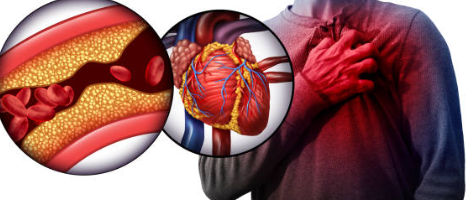
One of the most common causes of blocked arteries is atherosclerosis, a condition where fatty deposits, cholesterol, calcium, and other substances build up inside artery walls. Over time, this buildup can restrict blood flow and increase the risk of serious cardiovascular problems.
Blocked arteries do not always cause obvious symptoms in the early stages. Many people may not know they have a problem until significant narrowing occurs. Recognizing possible warning signs can encourage timely medical evaluation and help protect heart health.
Here are 10 possible signs of blocked arteries that you should know.
1. Chest Discomfort or Pressure
Chest discomfort is one of the most recognized warning signs of reduced blood flow to the heart.
Some people describe it as:
- Pressure or squeezing in the chest
- A feeling of heaviness
- Tightness
- Burning sensation
- Discomfort that comes and goes
This symptom may occur when the heart muscle does not receive enough oxygen-rich blood, especially during physical activity or emotional stress.
Chest discomfort should never be ignored, particularly if it is new, severe, or accompanied by other symptoms such as shortness of breath, sweating, nausea, or dizziness.
2. Shortness of Breath
When arteries supplying the heart become narrowed, the heart may have difficulty keeping up with the body’s demand for oxygen.
This can lead to:
- Feeling out of breath during activities
- Difficulty breathing when lying down
- Reduced exercise tolerance
- Unusual tiredness after normal activities
Shortness of breath can have many causes, including lung conditions and other health issues, so proper evaluation is important.
3. Unusual Fatigue
Persistent fatigue may be a sign that the heart is working harder than normal.
People with reduced blood flow to the heart may notice:
- Lower energy levels
- Difficulty completing everyday tasks
- Feeling tired despite adequate rest
- Reduced ability to exercise
Fatigue alone does not mean someone has blocked arteries, but ongoing unexplained tiredness combined with other symptoms should be discussed with a healthcare professional.
4. Pain or Discomfort in Other Areas of the Body
Heart-related artery problems do not always cause pain only in the chest.
Discomfort may sometimes spread to:
- Arms
- Shoulders
- Neck
- Jaw
- Back
This occurs because nerves in different areas can share pathways, causing pain signals to be felt away from the actual source.
Any unexplained discomfort in these areas, especially with chest symptoms or breathing problems, should be taken seriously.
5. Dizziness or Lightheadedness
Reduced blood flow or changes in cardiovascular function can sometimes contribute to feelings of dizziness.
Possible signs include:
- Feeling faint
- Unsteadiness
- Sudden weakness
- Lightheadedness during activity
Dizziness has many possible causes, including dehydration, medication effects, and other medical conditions. However, repeated episodes should be evaluated.
6. Coldness, Numbness, or Pain in the Legs
Blocked arteries can also affect blood vessels outside the heart.
When arteries supplying the legs become narrowed, a condition called peripheral artery disease (PAD) may occur.
Possible signs include:
- Leg pain while walking
- Cramping in the calves or thighs
- Cold feet
- Numbness or weakness
- Slow-healing wounds on the feet or legs
Pain that improves with rest and returns with activity can be a possible sign of reduced blood flow.
7. Swelling in the Legs or Feet
Poor circulation can sometimes contribute to swelling in the lower body.
You may notice:
- Swollen ankles
- Puffy feet
- Tight-fitting shoes
- A feeling of heaviness in the legs
Swelling can result from many conditions, including heart, kidney, or vein-related issues, so medical evaluation may be needed to determine the cause.
8. Irregular Heartbeat or Palpitations
Some people with cardiovascular problems experience sensations such as:
- Racing heartbeat
- Fluttering feeling in the chest
- Skipped beats
- Strong pounding sensations
While occasional palpitations can occur for many reasons, frequent or concerning episodes should be discussed with a healthcare provider.
9. Erectile Dysfunction in Men
Reduced blood flow caused by artery narrowing can affect circulation throughout the body.
In some men, erectile dysfunction may be linked to blood vessel problems because the arteries involved are smaller and may show changes earlier than larger arteries.
Although erectile dysfunction can have many causes, including hormonal and psychological factors, it may sometimes be associated with cardiovascular health.
10. Slow-Healing Wounds
Poor circulation can reduce the body’s ability to deliver oxygen and nutrients needed for healing.
Possible warning signs include:
- Cuts that take longer to heal
- Persistent sores
- Changes in skin color
- Foot wounds that do not improve
This is especially important for people with diabetes or known circulation problems.
What Causes Arteries to Become Blocked?
Several factors can contribute to artery narrowing and plaque buildup.
Common risk factors include:
- High cholesterol
- High blood pressure
- Smoking
- Diabetes
- Lack of physical activity
- Excess body weight
- Unhealthy eating patterns
- Family history of heart disease
- Increasing age
Some risk factors cannot be changed, but many lifestyle choices can help reduce overall cardiovascular risk.
How to Support Healthy Arteries Naturally
While lifestyle habits cannot guarantee prevention of artery disease, they can support overall heart and blood vessel health.
Eat a Heart-Healthy Diet
A balanced eating pattern may include:
- Fruits and vegetables
- Whole grains
- Beans and legumes
- Nuts and seeds
- Lean proteins
- Healthy fats such as olive oil and those found in fish
Reducing excessive intake of highly processed foods, added sugars, and unhealthy fats can support better cardiovascular health.
Stay Physically Active
Regular movement helps support circulation, heart strength, and overall fitness.
Activities such as:
- Walking
- Swimming
- Cycling
- Strength exercises
can be beneficial when performed safely.
Maintain Healthy Cholesterol Levels
High levels of certain cholesterol particles can contribute to plaque buildup.
Regular health screenings can help monitor cholesterol and other cardiovascular risk factors.
Avoid Smoking
Smoking damages blood vessels and significantly increases the risk of cardiovascular disease.
Quitting smoking is one of the most important steps for protecting artery health.
Manage Blood Pressure
High blood pressure can place extra stress on artery walls.
Healthy habits such as regular activity, balanced nutrition, stress management, and following prescribed treatments can help maintain healthy blood pressure levels.
When to Seek Emergency Medical Help
Some symptoms may indicate a medical emergency.
Seek immediate medical attention if you experience:
- Severe or sudden chest pain
- Chest pressure lasting several minutes
- Shortness of breath with chest discomfort
- Fainting
- Sudden weakness on one side of the body
- Sudden trouble speaking
- Severe unexplained symptoms
Prompt treatment can be critical in serious cardiovascular events.
Frequently Asked Questions
Can blocked arteries be reversed?
Lifestyle changes can help slow plaque buildup and improve cardiovascular health. In some cases, medical treatments may be needed to manage significant blockages.
Do blocked arteries always cause symptoms?
No. Some people have artery narrowing without noticeable symptoms, which is why regular health checkups are important, especially for people with risk factors.
Can exercise clear blocked arteries?
Exercise cannot physically remove plaque from arteries, but regular activity can improve heart health, circulation, and risk factors associated with artery disease.
Are cholesterol levels the only cause of blocked arteries?
No. Cholesterol is one factor involved in plaque formation, but blood pressure, inflammation, smoking, diabetes, and genetics also play important roles.
Final Thoughts
Blocked arteries can affect blood flow and increase the risk of serious health problems, but early awareness can make a meaningful difference. Symptoms such as chest discomfort, shortness of breath, unusual fatigue, circulation problems, and slow-healing wounds should not be ignored.
Maintaining a heart-healthy lifestyle, managing risk factors, and seeking medical advice when concerning symptoms appear are important steps toward protecting cardiovascular health.
If you notice persistent or unusual symptoms, consult a healthcare professional for proper evaluation rather than relying on self-diagnosis. Early detection and appropriate care can help support better long-term outcomes.
