
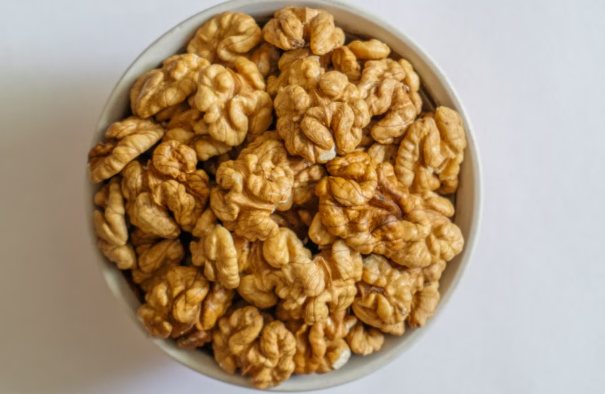
Doctors Explain the Health Benefits of Eating Walnuts
Walnuts have long been recognized as one of the most nutritious nuts available. With their distinctive shape, rich flavor, and impressive nutrient profile, they are a popular addition to healthy diets around the world.
Health professionals and nutrition researchers have studied walnuts because they contain a combination of healthy fats, plant-based protein, fiber, vitamins, minerals, and antioxidant compounds. When included as part of a balanced eating pattern, walnuts may support several aspects of overall health, including heart health, brain function, digestion, and healthy aging.
While walnuts are not a cure for any disease, their nutrients can contribute to a diet that supports the body’s natural processes.
Here are some of the health benefits of eating walnuts, according to nutrition experts and scientific research.
1. Walnuts May Support Heart Health
One of the most researched benefits of walnuts is their potential role in supporting cardiovascular health.
Walnuts are especially rich in alpha-linolenic acid (ALA), a plant-based omega-3 fatty acid. Omega-3 fats are known for their role in maintaining healthy heart function.
Eating walnuts as part of a balanced diet may help support:
- Healthy cholesterol levels
- Normal blood vessel function
- A balanced inflammatory response
- Overall cardiovascular wellness
Walnuts also contain polyunsaturated fats, which are often considered beneficial fats when they replace less healthy sources of fat in the diet.
Replacing foods high in saturated fats with nutrient-rich options like walnuts can be one part of a heart-supportive eating pattern.
2. They Provide Important Nutrients for the Body
Walnuts may be small, but they contain a wide range of essential nutrients.
A serving of walnuts provides:
- Healthy fats
- Plant-based protein
- Dietary fiber
- Magnesium
- Copper
- Manganese
- Phosphorus
- Antioxidants
These nutrients contribute to many normal body functions, including energy production, immune function, and maintaining healthy cells.
Adding walnuts to meals can be an easy way to increase nutrient intake without relying on highly processed foods.
3. Walnuts May Support Brain Health
Walnuts are often associated with brain health because of their nutrient content and unique appearance.
They contain:
- Omega-3 fatty acids
- Antioxidants
- Polyphenols
- Vitamin E
These compounds have been studied for their potential role in protecting cells from oxidative stress and supporting healthy aging.
Some research suggests that including walnuts in a balanced diet may be associated with better cognitive health, although more research is needed to fully understand their effects.
Eating walnuts is not a replacement for medical treatment or a guarantee against memory problems, but they can be part of an overall brain-supportive lifestyle that includes physical activity, quality sleep, and mental stimulation.
4. Walnuts May Help Support Healthy Cholesterol Levels
Cholesterol management is an important part of maintaining cardiovascular health.
The healthy fats and fiber found in walnuts may help support healthier cholesterol patterns when included in an overall balanced diet.
Studies have found that diets containing nuts may be associated with improvements in certain cholesterol markers.
However, the overall eating pattern matters. Adding walnuts to a diet high in processed foods may not provide the same benefits as replacing less nutritious snacks with walnuts.
5. They Can Support Digestive Health
Walnuts contain dietary fiber, which plays an important role in digestive wellness.
Fiber helps:
- Support regular bowel movements
- Promote a healthy digestive system
- Provide nourishment for beneficial gut bacteria
A healthy gut microbiome is linked to many aspects of overall wellness, including digestion and immune function.
Adding fiber-rich foods like walnuts, fruits, vegetables, legumes, and whole grains can help create a more balanced diet.
6. Walnuts May Help With Weight Management
Although walnuts are calorie-dense, they can still be included in a healthy weight management plan.
Their combination of:
- Healthy fats
- Protein
- Fiber
may help promote feelings of fullness and satisfaction after eating.
Because walnuts are filling, a small serving may help reduce the desire for less nutritious snack options.
The key is portion size. A typical serving is about a small handful, which provides nutrients without adding excessive calories.
7. They Contain Powerful Plant Compounds
Walnuts contain several naturally occurring compounds that researchers continue to study.
These include:
- Polyphenols
- Antioxidants
- Phytochemicals
Antioxidants help protect cells from oxidative stress caused by unstable molecules called free radicals.
A diet rich in antioxidant-containing foods, including nuts, fruits, and vegetables, supports overall health and wellness.
8. Walnuts May Support Healthy Aging
Aging is influenced by many factors, including genetics, lifestyle, nutrition, and activity levels.
The nutrients found in walnuts may support healthy aging by contributing to:
- Heart health
- Brain function
- Muscle maintenance
- Balanced nutrition
Including a variety of nutrient-rich foods throughout life can help support the body’s changing needs.
9. They May Help Maintain Healthy Blood Sugar Levels
Walnuts contain very little carbohydrate compared with many snack foods and provide fiber, fat, and protein that can help create a more balanced meal or snack.
Some studies suggest that eating nuts as part of a healthy diet may support better blood sugar management.
However, people with diabetes or blood sugar concerns should follow personalized advice from their healthcare provider.
10. Walnuts Are Easy to Add to a Healthy Diet
One of the best things about walnuts is their versatility.
They can be enjoyed in many ways:
As a Snack
A small handful of walnuts makes a convenient snack between meals.
Added to Breakfast
Try walnuts with:
- Oatmeal
- Yogurt
- Smoothie bowls
- Whole-grain cereal
Included in Meals
Walnuts can add texture and flavor to:
- Salads
- Vegetable dishes
- Grain bowls
- Homemade sauces
Used in Baking
They can be added to:
- Whole-grain muffins
- Homemade energy bites
- Healthy desserts
Choosing unsalted walnuts is often a good option, especially for people monitoring sodium intake.
How Many Walnuts Should You Eat?
While walnuts are nutritious, they are also energy-dense.
A common serving size is approximately one ounce, which is about a small handful or roughly ¼ cup of walnut halves.
The right amount depends on individual dietary needs, activity level, and overall eating pattern.
Eating a variety of nuts and seeds can also provide a broader range of nutrients.
Are Walnuts Safe for Everyone?
Most people can enjoy walnuts as part of a balanced diet, but some individuals should use caution.
Nut Allergies
People with tree nut allergies should avoid walnuts unless cleared by a healthcare professional.
Allergic reactions can range from mild symptoms to serious emergencies.
Digestive Sensitivity
Some people may experience digestive discomfort when eating large amounts of nuts due to their fiber and fat content.
Starting with smaller portions may help.
Calorie Considerations
Because walnuts contain a high amount of healthy fats, portion control is important for those managing calorie intake.
Tips for Choosing and Storing Walnuts
To maintain freshness:
- Choose walnuts that smell fresh and mild.
- Avoid nuts with a bitter or stale odor.
- Store walnuts in an airtight container.
- Keep them in the refrigerator or freezer for longer storage.
Walnuts contain delicate fats that can become rancid if exposed to heat, light, or air for extended periods.
Frequently Asked Questions
Are walnuts better than other nuts?
Walnuts have a unique nutrient profile, especially their omega-3 content, but other nuts also provide valuable nutrients. Almonds, pistachios, pecans, and other nuts can also be part of a healthy diet.
Can eating walnuts lower cholesterol?
Walnuts may support healthier cholesterol levels when included in an overall balanced diet, but they should be combined with other healthy lifestyle habits.
Is it better to eat walnuts raw or roasted?
Both raw and roasted walnuts can be nutritious. Choose varieties with little or no added salt, sugar, or unhealthy oils.
Can I eat walnuts every day?
Many people can include walnuts daily as part of a balanced diet. Portion size is important because they are high in calories.
Final Thoughts
Walnuts are a nutrient-rich food that can be a valuable addition to a healthy lifestyle. Their combination of healthy fats, fiber, protein, minerals, and plant compounds makes them a smart choice for supporting overall wellness.
Research suggests walnuts may contribute to heart health, digestive health, brain function, and healthy aging when included as part of a balanced diet. However, no single food can replace healthy habits such as regular exercise, quality sleep, and medical care when needed.
Adding a small serving of walnuts to meals or snacks is a simple way to increase nutrient intake and enjoy one of nature’s most beneficial nuts.
